The European automotive market is changing, but independent garages do not need to abandon traditional servicing to remain competitive.
For many businesses, the smarter approach is to gradually develop into a hybrid EV workshop while continuing to serve petrol and diesel vehicles.
Hybrid and electric vehicle capability can open new service opportunities, help retain existing customers as they change vehicles and differentiate an independent workshop from competitors that are not yet prepared for high-voltage technology.
The business opportunity:
Building hybrid and EV capability does not mean replacing your current workshop model. It means adding new skills and services step by step so your business can continue serving customers as the European vehicle fleet becomes increasingly electrified.
Why should European workshops develop hybrid and EV capabilities?
Customers who have used the same independent garage for years are gradually replacing older petrol and diesel vehicles with hybrids, plug-in hybrids and electric cars.
If the workshop cannot service those vehicles, the customer may eventually need to find another specialist.
Developing high-voltage capabilities allows independent garages to maintain those relationships instead of losing customers simply because the technology inside their cars has changed.
Retain customers
Continue servicing customers when they move from conventional vehicles to hybrids and EVs.
Add new services
Introduce diagnostics, battery work and high-voltage repairs alongside existing services.
Differentiate locally
Specialist knowledge can help a workshop stand out in markets where independent EV expertise remains limited.
Build for the future
Develop experience gradually instead of waiting until electrified vehicles dominate daily workshop traffic.
Do you need to become an EV-only garage?
No.
For many independent workshops, the most practical model is a combination of traditional mechanical services and specialist hybrid or EV work.
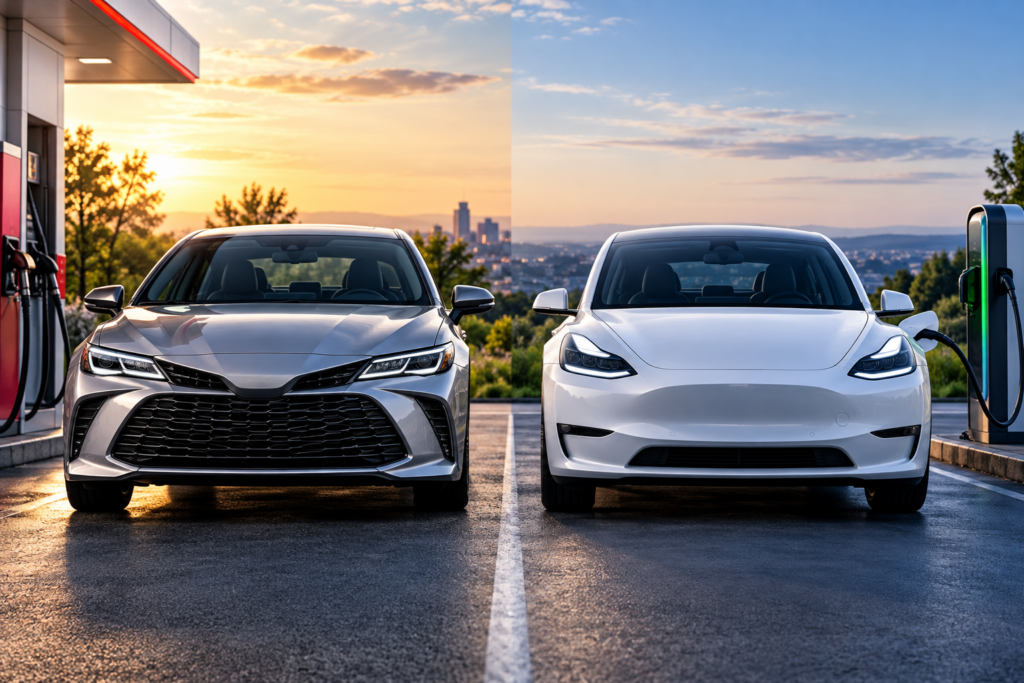
Petrol, diesel, hybrid, plug-in hybrid and fully electric vehicles will continue to share European roads for years.
This means a workshop can develop its high-voltage capabilities without abandoning the services that already generate revenue.
A gradual transition usually makes more sense.
Start with diagnostics and selected hybrid services, build practical experience and expand into more advanced high-voltage repairs as your team and customer demand develop.
Where should an independent workshop start?
Trying to offer every possible hybrid and EV repair immediately can lead to unnecessary investment.
A better approach is to build capability in stages.
1
Train the technicians
Develop a practical understanding of hybrid systems, high-voltage safety and diagnostic procedures.
2
Build diagnostic capability
Invest in tools and knowledge that allow technicians to identify faults accurately before attempting advanced repairs.
3
Introduce selected services
Begin with services that match the current skill level and equipment available in the workshop.
4
Gain real workshop experience
Use actual diagnostic and repair cases to develop confidence across different vehicle brands.
5
Expand into advanced high-voltage work
Add battery repair, regeneration, inverter work and more complex electrical repairs when the workshop is ready.
Which hybrid and EV services can a workshop introduce?
A workshop does not need to start with battery pack reconstruction or advanced power electronics.
Services can be developed in levels.
Level 1: Diagnostics
- hybrid system diagnostics
- EV diagnostics
- battery condition checks
- fault code analysis
- high-voltage system inspections
Level 2: Specialist Repair
- high-voltage component replacement
- battery cooling repairs
- electrical fault finding
- inverter diagnostics
- high-voltage wiring repairs
Level 3: Advanced Services
- hybrid battery repair
- battery regeneration
- advanced inverter repair
- complex HV diagnostics
- specialist component testing
You can explore the wider range of hybrid and EV services developed across the HybridElectric network.
Why diagnostics should come before advanced repair
Diagnostics is one of the best foundations for developing a hybrid EV workshop.
It allows the business to begin working with electrified vehicles without immediately investing in every specialist repair capability.
More importantly, strong diagnostic skills remain essential even after the workshop expands.
A technician needs to distinguish between:
- a failing battery and a cooling problem
- an inverter fault and a wiring problem
- a high-voltage component failure and a sensor fault
- a genuine battery issue and incorrect control system data
Replacing parts without confirming the cause can quickly make EV repairs expensive and unprofitable.
What equipment does a hybrid EV workshop need?
The exact equipment depends on the services being offered.
A workshop developing high-voltage capability may gradually require:
✓ Suitable diagnostic equipment
✓ High-voltage measuring equipment
✓ Insulated tools
✓ Personal protective equipment
✓ Safe isolation equipment
✓ Workshop warning equipment
✓ Battery diagnostic tools
✓ Manufacturer or technical data access
Buying equipment should follow a clear service strategy.
A workshop that initially focuses on diagnostics will need a different investment profile from a facility planning to rebuild high-voltage batteries internally.
Do you need a dedicated EV work area?
Work involving high-voltage vehicles requires safe procedures and suitable working conditions.
Depending on local requirements and the type of work being performed, workshops may need to consider:
- controlled working areas
- appropriate warning signs
- access restrictions during high-voltage work
- safe storage of removed HV components
- procedures for damaged batteries
- emergency procedures
High-voltage safety is part of the service, not an optional extra.
A professional EV workshop needs both technical competence and procedures that protect technicians, customers and vehicles.
How should workshop technicians prepare?
Technology changes quickly, which means technician development cannot be treated as a one-time training exercise.
Teams need to understand both fundamentals and the practical differences between vehicle manufacturers.
Important areas include:
- high-voltage safety
- battery technology
- electric motors
- inverters and converters
- battery management systems
- thermal management
- diagnostic strategy
- electrical measurements
As the workshop handles more vehicles, real diagnostic experience becomes just as important as formal training.
One technician or the whole team?
A common starting point is to develop one or two technicians into hybrid and EV specialists first.
This allows the workshop to build competence without disrupting the entire operation.
Over time, other technicians can gain additional knowledge as demand increases.
Start focused
Develop specialist competence in a small part of the team and give those technicians regular hybrid and EV work.
Then expand
Broaden knowledge across the workshop as customer demand and service volume increase.
Can hybrid and EV services become profitable?
Like any specialist service, profitability depends on demand, pricing, equipment costs, technician efficiency and the workshop’s ability to diagnose faults accurately.
However, specialised technical knowledge can allow an independent workshop to compete on expertise rather than price alone.
Customers facing battery, inverter or high-voltage faults are often looking for a workshop capable of solving a problem that a general garage may not want to handle.
This can create an opportunity to develop higher-value specialist services.
Where can the additional revenue come from?
Diagnostics
Professional fault diagnosis instead of simply reading error codes.
Battery services
Testing, repair and regeneration of suitable hybrid batteries.
HV repairs
Repair of high-voltage wiring, components and supporting systems.
New customers
Drivers searching specifically for an independent hybrid or EV specialist.
Do you need to specialise in one vehicle brand?
Not necessarily.
Many independent workshops work across multiple brands, although specialising in selected manufacturers can sometimes make the initial learning process easier.
A workshop can develop strong familiarity with vehicles that are already common in its local market and expand from there.
The important thing is not to claim capability that the team does not yet have.
A controlled development strategy is more sustainable than trying to accept every possible repair immediately.
Why local market analysis matters
The European vehicle market is not identical in every country or city.
A workshop should look at which hybrid and electric models are actually appearing locally.
Useful questions include:
- Which hybrid brands are common in the area?
- How many competing EV specialists are nearby?
- What services are currently difficult for customers to find?
- Are local fleets using hybrid or electric vehicles?
- Which types of repair are being sent to dealerships?
This information can help determine where training and investment should go first.
A simple workshop readiness check
How many of these can you answer “yes” to?
□ We have technicians interested in hybrid and EV work
□ We already diagnose modern electronic systems
□ We have space for safe high-voltage work
□ Our customers increasingly own hybrid vehicles
□ We can invest gradually in specialist equipment
□ We want to expand beyond general servicing
□ We need access to more technical knowledge
□ We want to differentiate from nearby workshops
If several of these points already describe your business, developing hybrid and EV capability may be a logical next step.
Why join a hybrid and EV workshop network?
One of the biggest challenges for an independent workshop is that difficult cases do not appear in a predictable order.
A technician may understand the technology well but still encounter a fault they have never seen before.
Working within a specialist network can provide access to wider experience and technical knowledge.
Technical knowledge
Access to experience developed around hybrid and EV repairs.
Training
Support in developing workshop and technician capabilities.
Shared experience
Learn from similar diagnostic and repair cases handled elsewhere in the network.
Recognisable specialisation
Position your local workshop as a specialist in hybrid and electric technology.
HybridElectric is developing a network of independent specialists across Europe.
Existing locations include workshops serving markets such as Manchester, Dublin and Gorzów Wielkopolski.
You can explore the current locations on our workshop network page.
Keep your local identity while developing specialist capability
Joining a network does not have to mean losing the identity that made an independent workshop successful in the first place.
Local reputation, customer relationships and existing workshop experience remain extremely valuable.
The aim is to add specialist hybrid and EV capability on top of that foundation.
Local workshop. Specialist knowledge. International network.
HybridElectric is designed around independent workshops that want to strengthen their position in the growing hybrid and EV service market.
When is the right time to start?
There is an advantage to developing specialist capability before the market becomes crowded.
Starting earlier gives technicians more time to gain experience, allows investment to be spread across several stages and helps the workshop establish a local reputation in hybrid and EV services.
Waiting until electrified vehicles represent a large part of daily workshop traffic can make the transition more difficult.
Hybrid EV workshop FAQ
Can a conventional garage become a hybrid EV workshop?
Yes. Many independent workshops can develop hybrid and EV capabilities gradually through technician training, appropriate equipment, high-voltage procedures and practical diagnostic experience.
Do I need to stop servicing petrol and diesel cars?
No. For many European workshops, a mixed model combining conventional servicing with specialist hybrid and EV work is likely to remain practical for years.
Which EV service should a workshop introduce first?
Diagnostics is often a sensible starting point because it builds technical knowledge and creates the foundation for more advanced battery and high-voltage repairs.
Is hybrid battery repair a good service for independent workshops?
It can be a valuable specialist service, but it requires appropriate training, diagnostic capability, equipment and safety procedures. It should normally be introduced after the workshop has developed strong high-voltage fundamentals.
What are the benefits of joining a hybrid workshop network?
A specialist network can provide access to technical knowledge, training, shared repair experience and stronger positioning in the hybrid and EV market.
Does HybridElectric work with workshops outside Poland?
Yes. HybridElectric is developing an international network of hybrid and EV specialists across European markets.
Build your workshop with HybridElectric
Independent workshops already have something extremely valuable: local experience, customer relationships and practical repair knowledge.
HybridElectric helps build on that foundation by developing specialist capabilities around hybrid and electric vehicle technology.
If you are considering expanding your workshop into diagnostics, battery services or high-voltage repairs, learn more about how to join HybridElectric.
Want to develop your workshop for the hybrid and EV market?
Join HybridElectric and combine your local workshop experience with specialist knowledge, technical support and a growing European network.
Join HybridElectric
Contact us