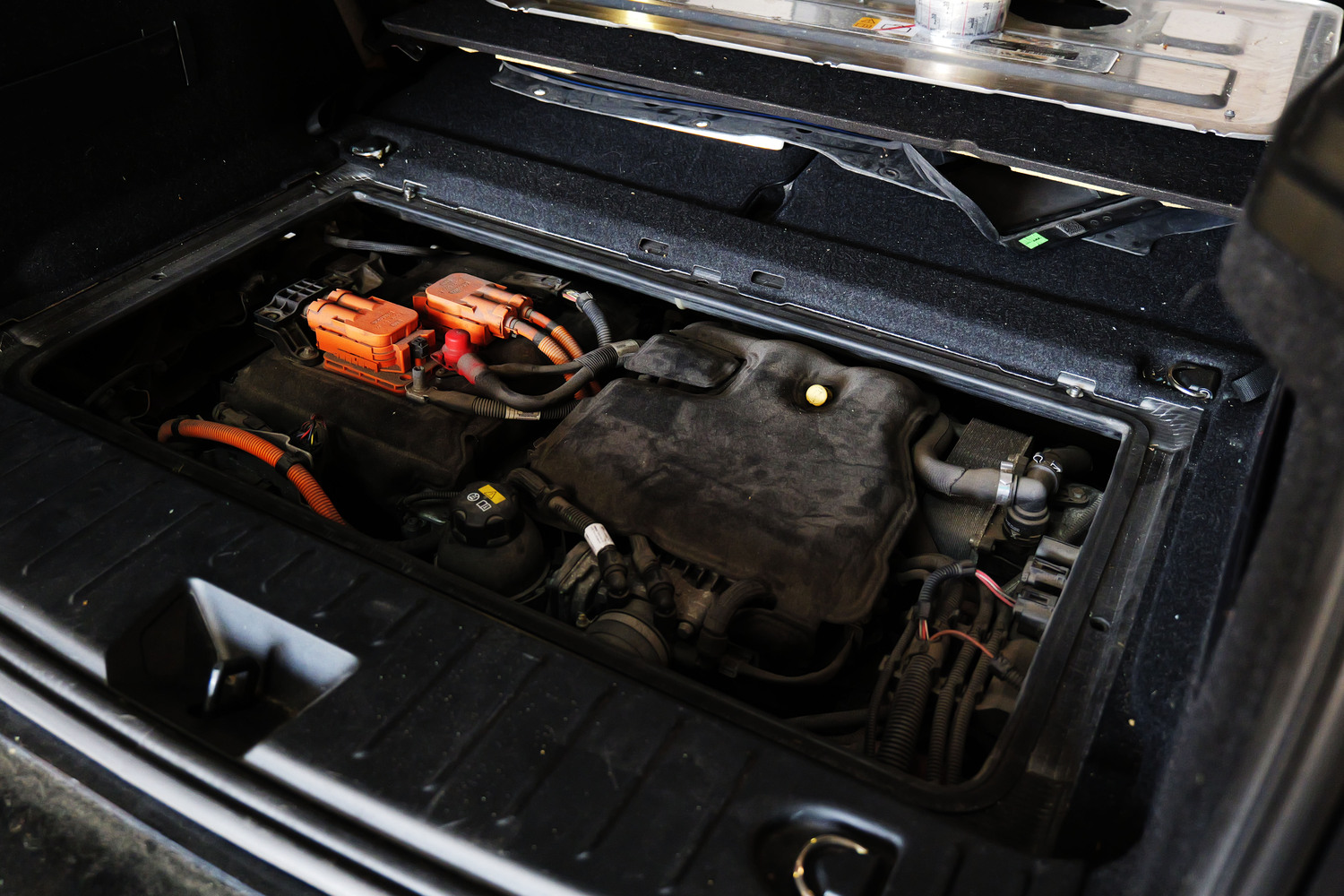
The inverter is one of the key components in a hybrid or electric vehicle. It manages the flow of electrical energy between the high-voltage battery, electric motor and other parts of the drivetrain.
When it starts to fail, the symptoms can range from warning lights and reduced performance to a vehicle that is unable to drive at all. Understanding the most common hybrid inverter problems can help drivers recognise when specialist diagnostics may be needed.
Quick answer:
Common signs of hybrid inverter problems include hybrid system warnings, reduced power, overheating, unusual noises and difficulty starting or driving the vehicle. Because similar symptoms can also be caused by other high-voltage components, proper diagnostics are essential.
What does a hybrid inverter do?
A hybrid vehicle uses both direct current and alternating current within its electrical system.
The high-voltage battery stores electricity as direct current, while the electric motor may require alternating current to operate.
The inverter is responsible for converting electrical energy between these systems and controlling how power is delivered.
Depending on the vehicle, the inverter may also work together with:
- the high-voltage battery
- electric traction motors
- the generator
- DC-DC converters
- charging systems
- vehicle control modules
Because it plays such a central role, an inverter fault can affect several areas of the vehicle at the same time.
Hybrid system warning lights
One of the most common signs of an inverter problem is a warning message related to the hybrid or electrical system.
Depending on the manufacturer, the dashboard may display a general hybrid system warning, drivetrain fault or high-voltage system message.
However, the warning itself does not prove that the inverter is faulty.
The same message can sometimes be triggered by problems involving the battery, electric motor, cooling system or control electronics.
Good to know:
A dashboard warning should be treated as the beginning of the diagnostic process, not as a final diagnosis. Reading fault codes and analysing live vehicle data can help identify the real cause.
Reduced vehicle performance
A failing inverter may prevent the electric motor from receiving the correct amount of power.
Drivers can sometimes notice:
- slower acceleration
- reduced electric assistance
- limited vehicle power
- the vehicle entering a reduced-performance or emergency mode
In a hybrid vehicle, the combustion engine may also operate more frequently if the electric side of the drivetrain is unable to work correctly.
Vehicle unable to start or drive
More serious inverter faults can prevent the high-voltage system from operating altogether.
The vehicle may power on but refuse to enter drive mode, or it may shut down after detecting an electrical fault.
Because modern hybrids and EVs use multiple safety systems, the vehicle may intentionally disable the high-voltage system when abnormal conditions are detected.
This helps protect both the vehicle and its occupants from potentially dangerous electrical faults.
Inverter overheating
Inverters generate heat while converting and controlling electrical energy.
For this reason, they usually rely on a dedicated cooling system.
Problems such as low coolant level, a faulty pump, blocked cooling passages or damaged temperature sensors can lead to excessive inverter temperatures.
If the component overheats, the vehicle may reduce power or display a warning message to prevent further damage.
In some cases, what appears to be an inverter failure may actually be caused by the cooling system.
Electrical component failure
An inverter contains complex power electronics that operate under high electrical loads.
Internal components may eventually fail because of:
- age and long-term wear
- excessive heat
- electrical overload
- voltage irregularities
- moisture or corrosion
- damage elsewhere in the high-voltage system
Specialist testing is needed to determine whether the inverter itself is damaged or whether another component has caused the fault.
Problems with electrical connections
Not every inverter-related fault requires replacement of the complete unit.
High-voltage connectors, wiring and control connections can also create problems if they become damaged, loose or corroded.
This is another reason why replacing expensive components based only on a fault code can be a mistake.
The complete system should be inspected before deciding on the correct repair.
Can an inverter be repaired?
In some cases, yes.
Whether repair is possible depends on the inverter design, the type of damage and the availability of suitable components.
Possible solutions may include:
- repairing electrical connections
- repairing or replacing damaged electronic components
- servicing the cooling system
- replacing sensors or supporting components
- replacing the complete inverter when repair is not practical
A specialist diagnosis should always come first.
Diagnosis before replacement
Inverters can be expensive components. Confirming the actual cause of the fault before replacing the unit can help avoid unnecessary repair costs.
How are hybrid inverter problems diagnosed?
Specialist diagnostics may involve much more than simply reading stored error codes.
Technicians can analyse:
- fault codes stored by the hybrid system
- inverter temperatures
- high-voltage readings
- cooling system operation
- electrical connections
- live data from control modules
- electric motor and battery behaviour
This allows the workshop to determine whether the problem originates in the inverter itself or elsewhere in the drivetrain.
You can learn more about specialist hybrid and EV diagnostics and repair services available through the HybridElectric network.
Why inverter faults require specialist knowledge
Hybrid and electric vehicle inverters operate as part of a high-voltage system.
These systems can contain potentially dangerous electrical voltages even when the vehicle is not being driven.
Correct safety procedures, specialist equipment and technical training are therefore essential when diagnosing or repairing inverter faults.
This work should be performed by technicians with appropriate experience in hybrid and electric vehicle systems.
Do not ignore early symptoms
Some inverter faults develop gradually, while others can appear suddenly.
Warning lights, reduced performance or recurring high-voltage faults should not be ignored.
Early diagnosis may identify a cooling, wiring or supporting component issue before it causes more serious damage.
Find a HybridElectric specialist
The HybridElectric network brings together workshops specialising in high-voltage vehicle systems, hybrid diagnostics, battery repair and inverter diagnostics.
If your vehicle is displaying hybrid system warnings or showing symptoms of an electrical drivetrain fault, specialist diagnostics can help identify the source of the problem and determine the right repair strategy.
Experiencing a hybrid or EV system fault?
Find a HybridElectric workshop for specialist inverter, battery and high-voltage system diagnostics.
Find a workshop